
Foot Zone Focus July 2026
The Adrenal Glands and That Important Hormone Cortisol
Albert Einstein is reputed to have said that he studied science in order to better ‘understand God’s thoughts’ as He created this wonderful world. As I have studied anatomy and physiology and the healing properties of “God’s pharmacy’—for a lifetime—I am, like Einstein, absolutely in awe of the genius of our Creator and of His overwhelming love for each of us!
With plants, in either herb or essential oil form, we have been given wonderful ways to nourish and heal our bodies.
I have also been fascinated by and love the study of anatomy (where things are placed in the body) and physiology (what their functions are and why they are where they are)! Placing those little adrenal glands right on top of the kidneys makes perfect, beautiful, harmonious sense! Because of their importance to survival, they are placed with each other in a well-protected spot in the body! See the full list of topics.
Most of this perhaps too-long article is taken directly from part of what I teach about the Endocrine System during Foot Zone Therapy classes at Butterfly Expressions, LLC in Clifton, Idaho.
The Adrenal Glands
The adrenal glands are two bean-shaped glands that lie over the top of the kidneys. The adrenal glands are, structurally and functionally, two endocrine organs in one. The adrenal glands consist of the glandular part, the adrenal cortex, and neural (nerve) tissue, the medulla.
Adrenal Medulla
When the body is (or perceives itself to be) under attack physically or emotionally, the sympathetic nervous system sends signals to the adrenal medulla and from there to the body/mind/spirit complex. Anatomy books will tell you that these signals are interpreted as instructions to either “flee”, “prepare to “fight”, or simply “freeze” in place, either physically or emotionally.
It was pointed out to me recently that there may be—is—a fourth possibility. This was presented to me as a state in which the person goes into, or lives their entire life, trying to please others in order to stay out of trouble. Following the ‘f’ line of ‘flee’, ‘fight’, or ‘freeze’, the word ‘fawn’ was proposed. Wow! This word ‘fawn’ opened new doors in my mind and in my work with people in the classroom and other settings!
The hormones secreted by the adrenal medulla, primarily epinephrine (also called adrenaline) and norepinephrine (also called noradrenaline), are meant to aid us in coping with short-term stresses. These adrenal hormones increase heart rate, blood pressure, and blood glucose levels and dilate the small passageways of the lungs. The results are more oxygen and glucose in the blood and more rapid circulation to the body organs—especially to the brain, the muscles, and the heart. The body is, very quickly, better able to respond to short-term stressors.
The body now has the necessary energy and the resources to fight harder, run faster, be more alert, and be able to think more quickly and effectively, and even develop an anti-inflammatory response should an injury occur.
These hormones give us the energy we need in times of emergency, but they can be harmful in many ways if we insist on staying at “full alert” all of the time.
The Adrenal Cortex
The adrenal glands are the primary manufacturing site for cortisol, an absolutely essential hormone! Cortisol is so essential that it will be discussed later, in a separate section of this newsletter.
The adrenal cortex is the outer portion of the adrenal glands and is responsible for producing vital steroid hormones that are derived from cholesterol (Yes, cholesterol is necessary to the body! No space to elaborate on that fact here.)
Some Other Functions Influenced by the Hormones Produced by the Adrenal Cortex:
- aids in the regulation of blood pressure
- maintains fluid balance in the body to prevent dehydration
- facilitate the absorption or excretion of trace minerals
- regulate the metabolism of carbohydrates, proteins, and fats
- plays a part in the production of glucose and increases blood glucose levels in response to stress
- release amino acids from the body when their work is done
- strengthens the contractions of the cardiac muscle
- increase water retention to prevent dehydration
- stimulate various anti-inflammatory and anti-allergic responses in the body
- enhance muscle mass and stimulate cell growth,
- produces precursor hormones for the development of some sex characteristics
- plays a significant role in libido and mood
- aids the body in detoxification from heavy metals and other toxins
- affects memory, learning, sleep patterns, and mood
- ovarian and prostate function
- bone, muscles, and connective tissue integrity
Some of the hormones produced in the adrenal cortex are important in helping us cope with prolonged or ongoing types of stress, such as the death of a loved one or a traumatic injury or surgery. If these hormones do their job well enough, the situation will be resolved without lasting damage to the body or the mind.
However, if the stress—or our perception of intense stress—continues on and on, the adrenal cortex may simply “burn out”. There are degrees of adrenal “burn out” beginning with fatigue and blood sugar disorders.
Adrenal Fatigue (Burnout)
There are basically 4 ways that adrenal fatigue can manifest:
- The parasympathetic nervous system has not communicated its “rest and regroup” message to the adrenal glands. The system is still operating on high in every respect.
- The cortisol levels remain high, but parasympathetic nervous signals to the immune system have become confused, and the immune system is compromised.
- Cortisol levels are low, but the nerves are on high alert. The result is inflammation and pain somewhere, or everywhere, in the body
- Both the adrenal cortex and adrenal medulla are exhausted! Ongoing Adrenal Fatigue (sometimes referred to as Chronic Fatigue) occurs. (As a young man, my husband was diagnosed with Chronic Adrenal Fatigue. It took us years to understand and correct this situation!)
Symptoms of decreasing adrenal function include: weakness, lethargy, dizziness, headaches, memory problems, food cravings, mood swings—hyperactivity followed by depression and fatigue—aching joints, allergies, blood sugar disorders, and a need for frequent naps, especially in the afternoon.
Factors Which Negatively Affect the Adrenal Glands
The everyday stresses of life—family, employment, marriage issues, children, prescription and other drugs, traumatic injuries, infections, improper dietary habits, caffeine, carbonated beverages, smoking, lack of relaxation and rest, lack of sleep, lack of exercise or excessive exercise, psychological stress, the death of a loved one all impact the important adrenal glands!
Our insistence on living in fear, rather than in faith, can damage our adrenals to the point that they are not helping us but are struggling, malfunctioning, and making matters worse. Continually running faster than we have strength also wears on the adrenals
Managing the stressors in our lives and choosing proper responses to them is absolutely critical to good health and the ability to enjoy our lives and our families.
The Pineal Gland
This gland is mentioned here, very briefly, because this gland directly and dramatically impacts the adrenal glands—especially when the body is under a great deal of stress or stress that is ongoing for a length of time!
In classes that I teach, particularly the Endocrine portion of Foot Zone classes at Butterfly, this very important gland is given a great deal of time in order to foster understanding of how to keep this gland functioning. Suffice it to say, for this article today, that the Pineal Gland absolutely and without exception demands light—sunlight or, at the very least, full spectrum lighting when indoors!
The Impact of the Adrenal Glands on the Thyroid and Kidneys
Stress will, of course, quickly damage the adrenal glands. Since the adrenal glands and the thyroid are in constant communication with each other, malfunction of the thyroid gland is imminent and almost unavoidable. The kidneys will also be unavoidably damaged. The body is a ‘unit’ comprised of systems that impact each other constantly!
The adrenal glands are so important—and adrenal fatigue so debilitating—that my daughter and I thought getting this information out was important enough to create two YouTube videos. We collaborated on two such videos, one titled Adrenal Fatigue and the other titled Chronic Fatigue.
Cortisol
As mentioned previously in this article, cortisol is a vitally important steroid hormone that is produced and released by the adrenal glands. Our bodies continually monitor cortisol levels and work hard to keep those levels within a healthy range. Both excess and deficient cortisol levels can be precursors to a great many health problems! Cortisol impacts in some way nearly every organ system of the human body!
Key effects include:
- cortisol levels that are too high or too low
- immune system deficiency or hyper-vigilance (auto-immune disorders)
- no “brake” or emotional control of stress response, physically as well as emotionally
- past traumas feel as though they are happening in the here and now (PTSD)
- inability to process past trauma and determine how it fits into life in the present time
- inability to learn from past mistakes in order to keep from repeating them over and over
- fibromyalgia
- chronic fatigue and adrenal failure
- sleepiness during the afternoon
What causes high cortisol?
- prolonged use of corticosteroid medications (for example, prednisone or dexamethasone)
- ACTH-secreting tumors—Pituitary gland cancers, for example
- adrenal tumors that are producing excess cortisol
Signs of high cortisol levels can be varied and may include:
- weight gain, especially in the face and abdomen
- fatty deposits between the shoulders (buffalo hump)
- wide purple stretch marks on the abdomen
- weakness in the upper arms and thighs
- elevated blood sugar (which can progress to type 2 diabetes)
- high blood pressure
- excessive hair growth in women (hirsutism)
- reduced bone density and increased fracture risk
- sleep issues
- anxiety
- weakened immune system
How can high cortisol be lowered?
Lifestyle changes are a good place to start!
- Make quality sleep a priority. Chronic sleep deprivation, even shift work, can be a problem.
- Stay physically active. Regular exercise improves sleep and stress coping ability.
- Practice relaxation techniques: deep breathing exercises, meditation, and progressive muscle relaxation activate the “rest and digest” aspects of the parasympathetic nervous system.
- Nurture social connections that are supportive and allow you to relax.
- Learn to include enjoyable activities and laughter. These positive emotions release endorphins that counter stress hormones.
- Manage ongoing stressors with time management, boundary-setting, and, if necessary, therapy or counseling
Remember that “worry ends where faith begins.”
What causes low cortisol?
- autoimmune disorders in which the body mistakenly attacks the adrenal glands
- infections such as tuberculosis, HIV/AIDS, and fungal infections attacking the adrenal glands
- hemorrhage/bleeding into the adrenal glands
- cancer cells that spread to the adrenal glands.
- genetic disorders that impair either the development or function of the adrenal glands
- pituitary tumors or gland malfunction; bleeding or loss of blood flow affecting the pituitary
- medication withdrawal—suddenly stopping long-term corticosteroid drugs (prednisone or hydrocortisone) used for such things as asthma or arthritis
- hypothalamic dysfunction
Signs of low cortisol levels can be varied and may include:
- persistent fatigue
- persistent fatigue
- unintentional weight loss and poor appetite
- low blood pressure (which may cause lightheadedness)
- general weakness and sometimes abdominal pain or nausea
- general muscle weakness
- purpleish stretch marks on the belly
How can low cortisol be raised?
Non-prescription drug methods to improve cortisol levels include:
- Increasing sodium (salt—a good one) intake. This is especially important during hot weather, heavy exercise, or periods of diarrhea.
- Focus your daily diet on whole foods, lean proteins, calcium, and Vitamin D while avoiding excessive sugars and processed foods.
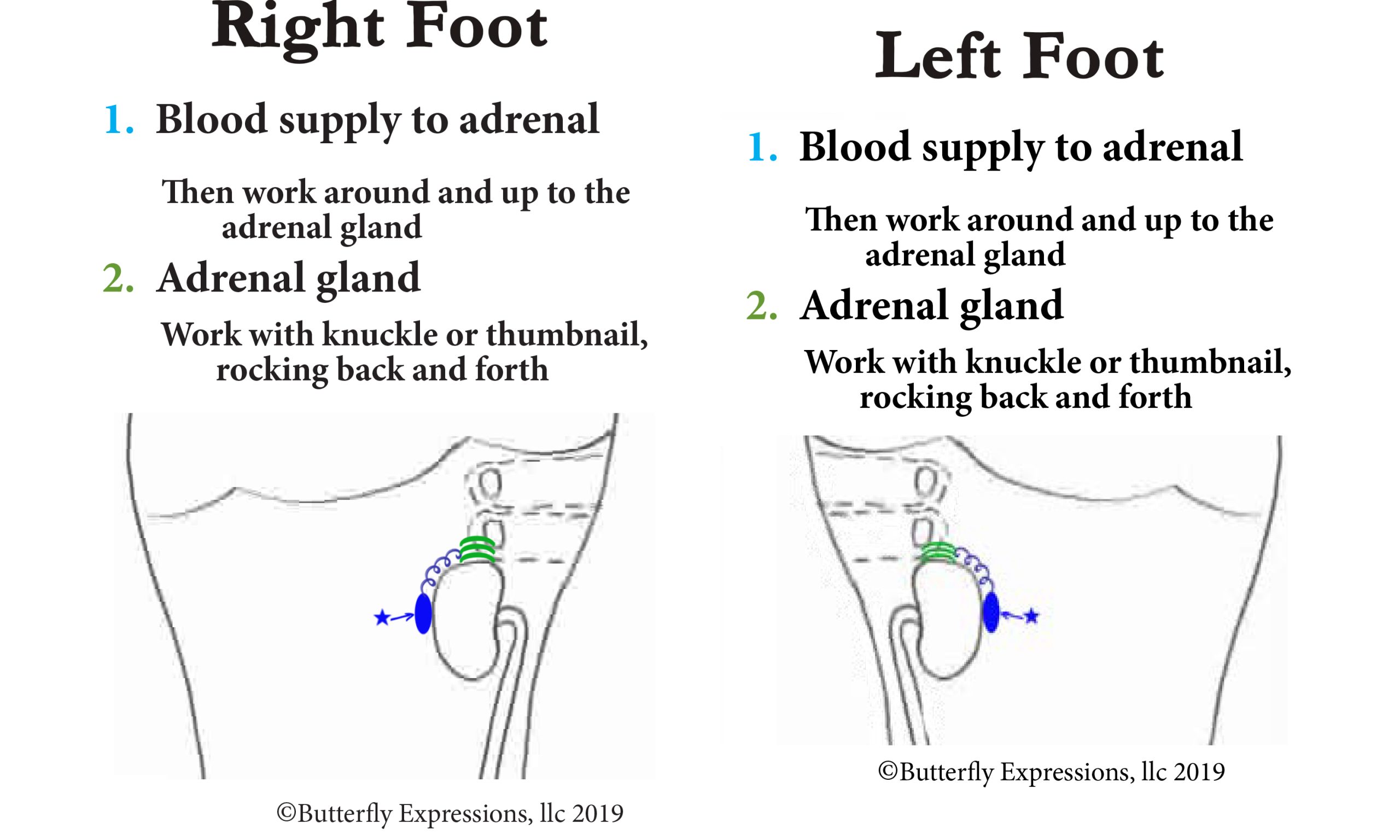
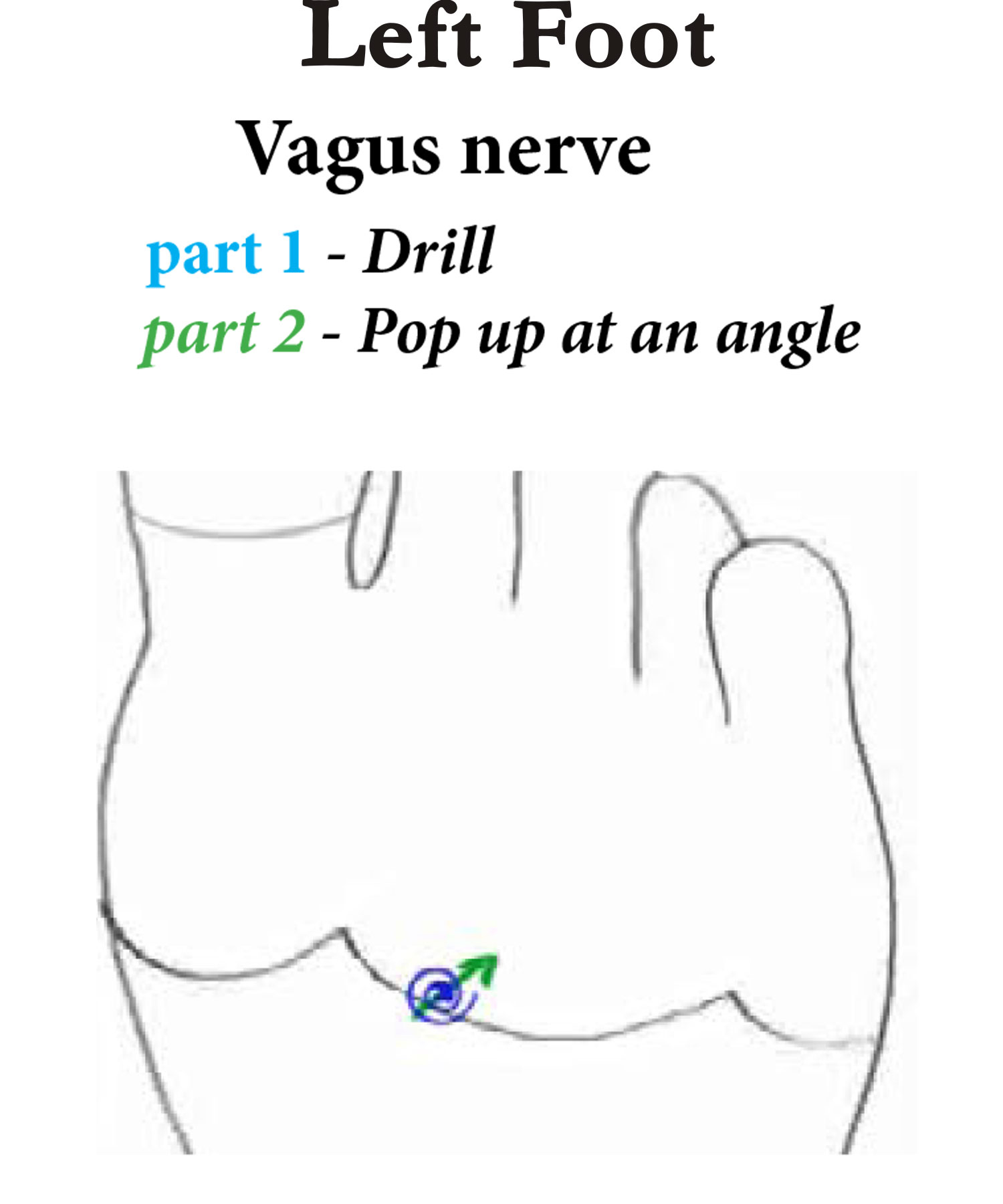
Working the Adrenal Glands on the Feet
In This Issue
LeHeartSong Essential Oil
LeBalance Essential Oil Blend
Rose Geranium Essential Oil
Herbal Remedies


LeHeartSong
I have observed, over many years, what seemed to be many instances where emotions such as stress, grief, feeling unloved or unappreciated by those we love and serve seemed to be a precursor to and/or a setup for Adrenal gland malfunction and eventual failure. Visiting with clients—and muscle testing for alternative products that they would benefit from at the time—seemed to bear this out. Most importantly, nourishing the Adrenal gland and working it regularly on the foot, played a major role in lifting the depression and hopelessness that is so much a part of Adrenal Fatigue.
LeHeartSong allows the heart to find its joy and learn to sing again. This is a very high-frequency spiritual and emotional blend. This high-frequency blend reminds us that we are loved and cherished by many people, and certainly by Heaven.
LeHeartSong has been of great benefit in treating depression. It is also useful in overcoming grief and trauma. Because it is a remedy for deep sorrow and grief, it makes a wonderful gift for anyone who has recently lost a loved one. You do not need to be suffering from depression or a recent loss to enjoy LeHeartSong. This blend is wonderful for getting through a tough time or just making it to the end of a difficult day. It is also quite effective as a protection against negative energy that you might be picking up from others at home or on the job.
LeBalance
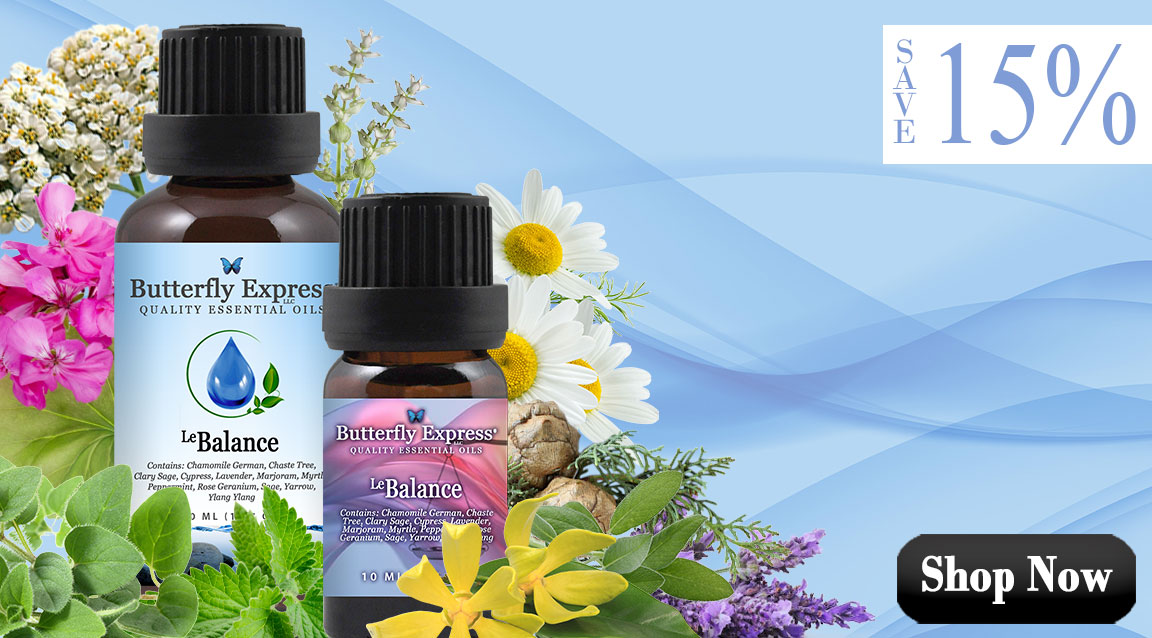
LeBalance is beneficial in the control of mood swings brought about by hormone and endocrine system imbalances or adrenal issues in both men and women. Yes, men have hormones that can and do get out of balance, too! And the combined pressure of succeeding at work and in the financial support of their families, while at the same time being present as a loving and supportive father, can take a toll on any man.
For older women, LeBalance has been used successfully many times to reduce or eliminate hot flashes and headaches for those who are approaching or going through menopause. Just as for men, this blend supports the adrenal glands and seems to provide sufficient energy for the day and for the tasks at hand.
Rose Geranium
New experiences of growth await us if we are ready and willing to accept them and move forward in our lives.
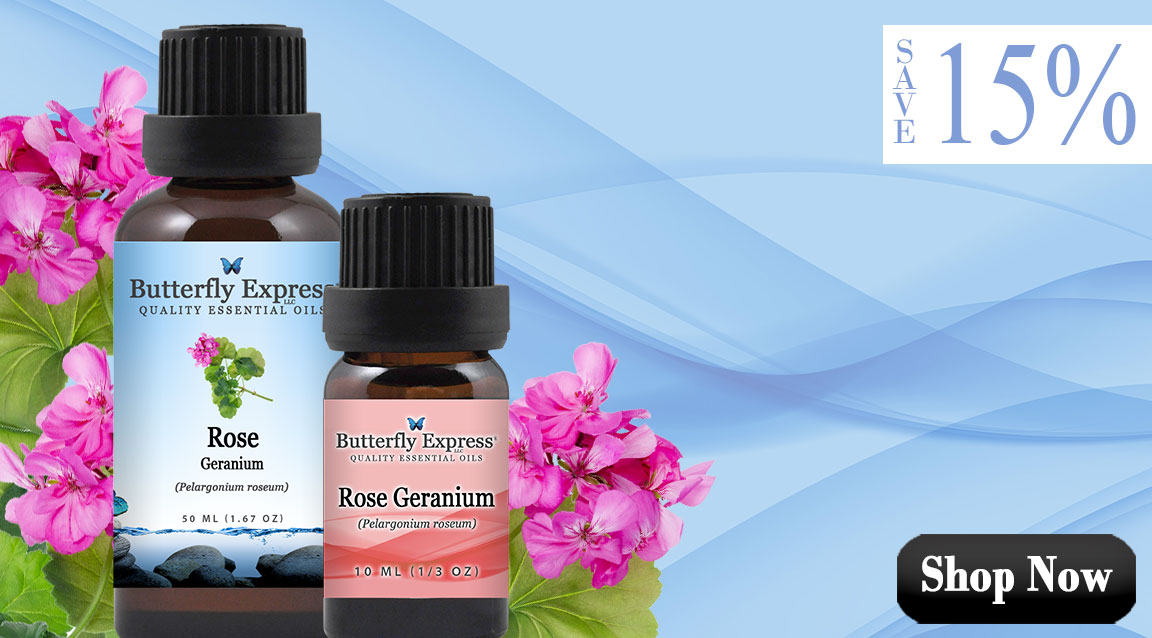
One aspect of Rose Geranium is for emotional work with those who feel burdened by, or resentful of, the necessity to work so very hard. This situation may be perception or reality. Rose Geranium can benefit those who have found themselves in a real position of never-ending work, with no rest, no pause, and maybe even with very little reward.
I loved to apply this essential oil to the feet at the end of a work session or, better yet, to diffuse it into the room during the zone. Always seems to benefit both the client and me as the therapist!


PRT
This remedy is specific to men caught up in adrenal fatigue, hormone imbalances (yes, men have hormones, often raging), and clogging or infection of the prostate gland.
Symptoms of prostate distress, physically, would include frequent urination with a decreased stream, possibly pain, chills, or fever. Emotionally, prostate and adrenal gland issues often display unexplained exhaustion, energy crashes, strong cravings for salty and sugary treats, and poor stress tolerance. Anxiety, depression, feelings of diminished self-worth, and increased irritability are also indicators of decreased prostate function.
Parsley Root
Parsley Root is a traditional cardiovascular herb often used to support heart health by enhancing parasympathetic tone. It helps manage palpitations, lowers blood pressure, and is an absolute wonder herb for kidney health. A tablespoon of parsley as a tea will provide an easy 100% of the recommended intake of Vitamin K. Vitamin K increases bone mineral density and reduces the risk of fractures. Parsley also contains high levels of Vitamin C, which has been shown to fight cellular damage. Of course, Parsley has long been stressed in folk medicine as a remedy for gastrointestinal distress.
A woman I knew well and loved dearly was diagnosed with an aggressive and almost always quickly fatal form of cancer in the blood. She was given only a handful of weeks to live. She drank at least a quart of parsley tea every day. (I thought she might be over-doing it a bit!) How did that work out for her? She lived—and lived quite well—for another 10 years. Right up until the medical world cleared a form of chemotherapy for this disease. She then developed breast cancer and, after incredible suffering, died within a year of the first chemo treatment.
Bupleurum
Bupleurum is one of the most highly valued and researched herbs of traditional Chinese medicine. Bupleurum is high in potassium, and it is an effective support for adrenal gland fatigue and the accompanying physical fatigue and mental/emotional depression. This herb is often used with Licorice and Ginseng to stimulate adrenal function.
It is impossible to describe the emotional effects of this herb, in Traditional Chinese Medicine (TCM) terms, without using the word Chi. What is Chi? Chi, simply put, is both the energy and good health we are born with and the energy and good health that we acquire throughout life as we live by the basic principles that create and sustain good health.
Chi also applies to emotions. Both too much and too little can create havoc. Think of the overactive and overly excitable child (or adult): Too much and too mercurial a type of Chi. Or think of the tired, depressed, barely able to function father or mother: Too little of any kind of Chi.
List of Topics
Tip: Use the “find on page” or ctrl+F to quickly find where these topics in this blog.
About The Author

lareesbutterfly@gmail.com
Related Posts

Foot Zone Focus September 2026
The employees I have tasked with picking topics for newsletters and blogs chose this topic…
07 July, 2026
Foot Zone Focus June 2026
Foot Zone Therapy Session Hygiene Issues Much of the following information (otherwise known as my…
07 July, 2026