
The heart is an incredible muscle—yes, muscle. The amount of work done by the heart each day is almost too incredible to even believe. The body contains approximately six quarts of blood. This blood is pushed through the blood vessels over 1000 times in a day. The heart, incredibly, pumps about 6000 quarts (about 1,500 gallons) of blood in a single day for all the days of one’s life!
There is simply no way that I can cover the complicated workings and anatomy of the heart in this article. (I certainly do try during Foot Zone Therapy classes, as some of you can probably attest, to do my best with pages and pages of information—possibly too much information—in the material provided.
Two systems regulate heart activity. One involves the nerves of the autonomic nervous system and acts as an accelerator and as brakes for the heart rate. The other is the intrinsic conduction system—nodes which are built right into the heart tissue. This system sets the basic rhythm of the heart. For this article, let me stress firmly (very firmly) that when a person is under either physical or emotional stress, the heart works much too hard, pumping faster and more forcefully, in order to make more oxygen and glucose available to the systems of the body. The good news: For people who know how to handle stress more calmly or know how to rest and rejuvenate between periods of stress or hard work, the heart will slow down and beat steadily. This gives the heart a period of rest when the crisis is over.
Stress Cardiomyopathy – Broken Heart Syndrome
A troubled mind may lead to a broken heart in a very literal and physical sense.
Many patients arriving at emergency rooms and doctors’ offices with symptoms of a heart attack have just experienced the death or loss of a loved one. Traumatic experiences such as a car accident or mugging are also recognized as triggers for heart attack-type symptoms.
Intense emotional events can trigger your sympathetic nervous system, unleashing a flood of chemicals. This sudden surge of chemicals can stun the heart’s muscle and leave it temporarily, and sometimes permanently, unable to pump properly. In medical speak, this is referred to as ‘Stress Cardiomyopathy’. Energy workers often refer to this situation as ‘Broken Heart Syndrome’. It is very real!
My point? If we insist on living our lives in real or imaginary stress, we will be increasing, daily, the stress on our hearts.
A second point? Anything that strengthens you emotionally—whether oils, herbs, exercise, faith, or anything else—will benefit your heart. . . and the heart certainly needs all the help that we can give it. Statistically speaking, heart disease of various types is the leading cause of death for both men and women and has been for more than a century!
During sleep, our bodies should be working to support healthy brain function and maintain our physical health.
How is that working for you?
I hope very well! But, if not, I hope something in this article can help you! There are few things in life more frustrating—and more detrimental to our health—than lying awake, so very tired, but unable to sleep. Not getting enough good quality sleep is, however, more than just frustrating because sleep is a very essential function! Without sufficient rest/sleep, it is impossible for a person to be well either physically or emotionally! As you sleep, your body and mind get a chance to recharge. If that ‘recharging’ gets accomplished, you should wake up refreshed, energetic, and alert. If not . . .?
During childhood and into the teenage years, sleep also supports growth and development. Getting inadequate sleep over time increases the risk of chronic (long-term) health problems.
Studies show that when we don’t get quality sleep or enough sleep, our immune system gets disrupted and weakened. This, of course, makes it more likely that we will get sick when we have been exposed to any sort of illness. Our bodies need sleep to fight infections that are passed from one person to the next. Long-term lack of sleep also raises our risk of obesity, diabetes, depression, high blood pressure, stroke, and heart disease.
I could go on and on here, but let’s just get on to possible solutions!
The end of summer and the upcoming return to school for children, teens, and college students can be a stressful time for everyone involved, including parents. This seems to be true to some extent, no matter the age of the child or even how well the previous school year went. And then, the school day usually requires the student to focus and pay attention while sitting at a desk—something many children find quite difficult. Then there are the issues of getting homework done and back to school with the children, young or old!
The remedies focused on as specials and offered at discounted prices, were chosen with these issues in mind. However, as you will quickly see from the product descriptions, they address energy levels, the ability to focus and pay attention, and handling anxiety from any cause and in any type of situation.
As I have said often and with emphasis over many years, “All drugs have side effects!”
As an introduction to this section on Alternative Pain Management, I am including parts of an “FDA Drug Safety Communication” issued on July 9, 2015. If you wish to read the entire communication (with pages of additional information for patients and consumers and even more information for Health Care Professionals along with a comprehensive Data Summary) I am providing the link to the FDA announcement itself on the U.S Food & Drug Administration’s web page.
This statement certainly is true of the drugs used for pain management, as is illustrated by these statements taken from the FDA website itself. The use of herbs, essential oils, and Blessed Water or Homeopathic remedies is an effective and safe way to manage pain.
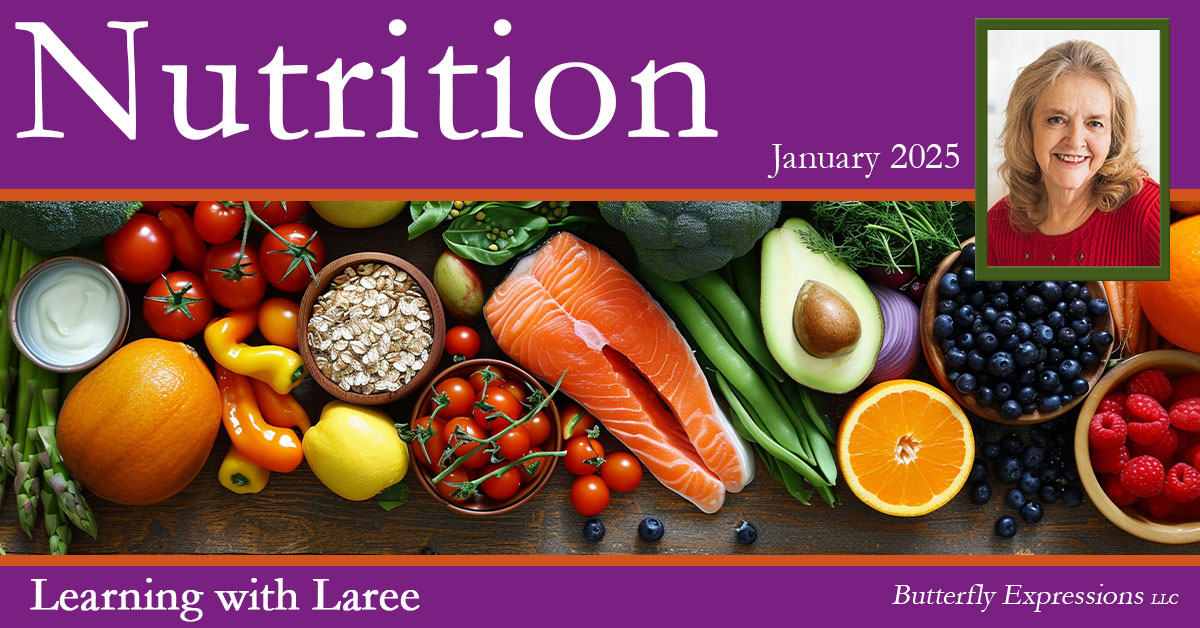
There is, absolutely and without doubt, no road to good health (or recovery from illness and chronic ailments) without good nutrition being a priority every day!
Studies done at the School of Gerontology, University of Southern California, indicate that if a person has a sub-clinical nutritional deficiency, he or she might appear ‘perfectly normal’ except for increased susceptibility to disease, longer recovery time from surgery, adverse reactions to vaccines, extreme fatigue that interferes with normal functioning, depression, insomnia, and irritability.
Richard Revlin, M.D., of the Sloan-Kettering Cancer institute says,
“In the United States today, we rarely see cases of classical vitamin deficiency, such as scurvy and pellagra—to name just a few cited in this article. However, we are now beginning to recognize a vast new series of marginal deficiencies related to disease. Marginal deficiency, it now appears, may be a surprisingly common phenomenon.”
One very important reason herbal remedies work for a particular problem is that the herb has provided one or more vital nutrients that are missing in the diet.
It is important to understand, and remember, that vitamins and minerals chemically constructed in a laboratory cannot fill the nutritional needs of the body. Man has been unable to produce a single molecular structure that is exactly identical to those produced in nature. Laboratories can assemble the correct components in the correct amounts but somewhere in the joining of the atoms will be a rotation to the left that should be rotating to the right. The resulting isomer (that is the scientific word for it) is not bio-identical, no matter what the advertising says. This is as true of hormones and amino acids as it is of vitamins. (Hint: If the supplement you are buying says “L-something or other”, the ‘L’ is a warning that this supplement has been artificially produced in a laboratory and will not be providing the nutrition you think you are getting!
There is a great deal of information about the nutritional components of herbs in the book, Butterfly Miracles with Herbal Remedies which can be purchased at Butterflyexpress.shop. Nutrition and health is a topic that has fascinated me for years. See the full list of topics.