
Foot Zone Therapy Session Hygiene Issues
Much of the following information (otherwise known as my opinions) is taken from the ‘Standards and Ethics Form’ that each zone therapist registered under my name with the Utah Massage Board must agree to and verify their agreement and willingness to live according to in their practice of Zone Therapy by signing the form. You will notice, as you read, that not all of the following advice is about hygiene. Sorry about that. At least, I am a little bit sorry!
Quality zone therapy sessions require a systematic approach to the acquisition of skills and knowledge, and the self-discipline to always act in a professional and responsible manner. A ‘professional manner’ when touching any part of another person’s body must always include basic cleanliness and concern for proper hygiene. This will prevent the transmission of any ‘disease’ entity between therapist and client and from client to therapist—and then, potentially, to the therapist’s or client’s family members.
Before we begin today’s discussion of essential oils, herbs, and Blessed Waters (homeopathics), I would like to provide a little bit of extraneous, but I feel quite necessary, information. I searched both the Butterfly Express and Butterfly Expressions sites and was disappointed to find that the information I have written and taught in various places over the years on the topic I am about to summarize briefly below is not to be found on either site. It doesn’t seem to be in any of the books I have written, either. (However, I made only a rudimentary search, so . . .) If this oversight is actually real, I intend to remedy the situation as soon as I can find a minute (or a few hours, as it will likely be).
Two key factors in understanding essential oils are recognizing the differences in healing properties among plant families and understanding how various parts of the same plant can offer different therapeutic benefits. It probably doesn’t surprise you that the medicinal properties of the conifer family (spruce trees, for example) are very different from the healing properties of the various herbaceous or ornamental plants (such as the Lauraceae, Labiate, Compositae, and Umbelliferae families).
Even within the same plant family, whether an essential oil has been created from the wood, the seed, the root, or the leaves, dramatically affects the healing properties of that essential oil, and does so to an incredible degree.
A well-built blend allows us to combine, synergistically, the benefits of several plant families as well as the healing capacities of various plant parts, all with the goal of increasing the capabilities of each single essential oil. Just as a chocolate cake is more pleasing—and tastes better—than the varying ingredients separately, an essential oil blend has the potential of being so much more than any of the single oil ingredients by themselves
Let’s keep this information in mind as we discuss various essential oil blends in the pages of this (and every) newsletter.
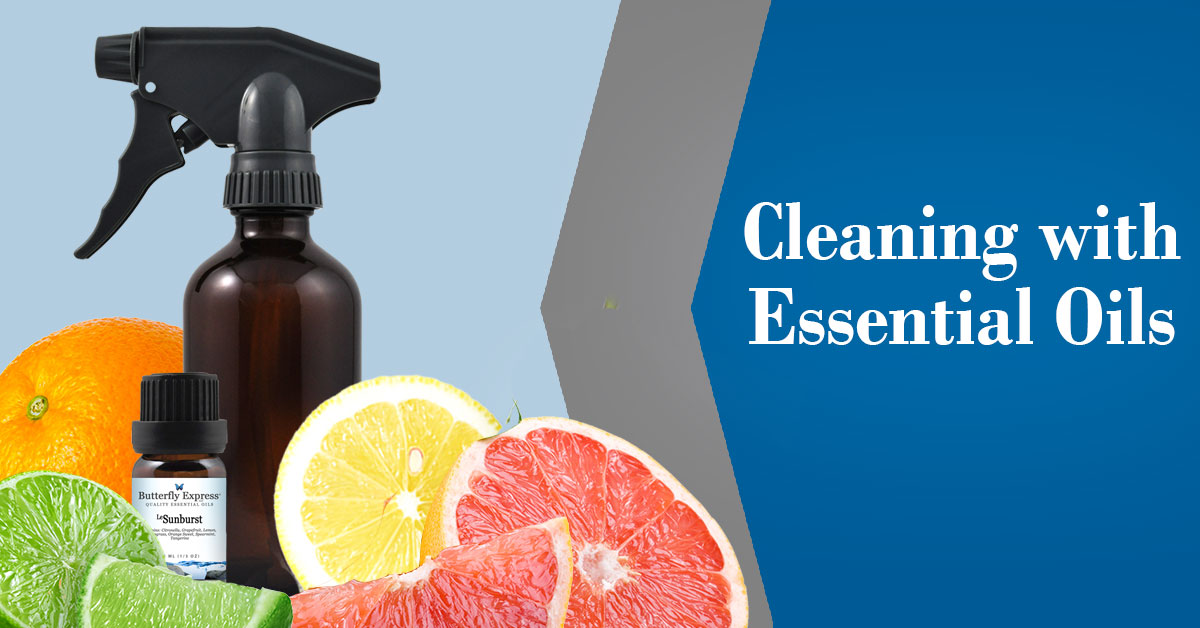
Cleaning and Disinfecting with Essential Oils Using essentials oils to clean just makes sense. They disinfect without harmful substances and at the same time they impact our health on emotional levels. Coping with Today’s Environment Living as we do in this modern world means that we are constantly…
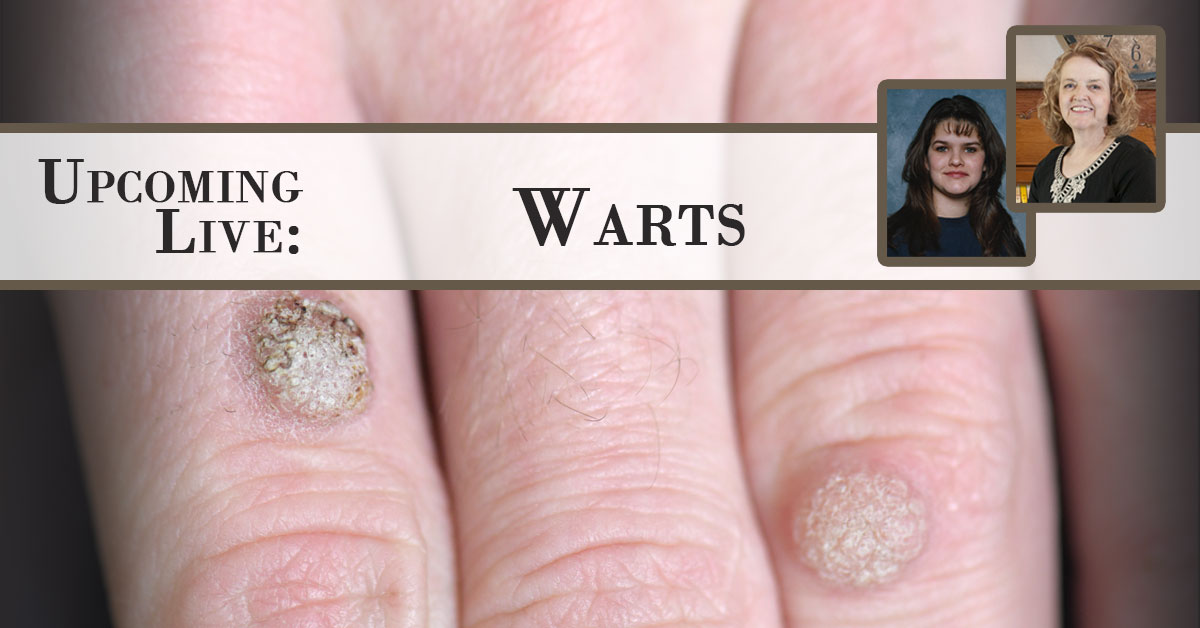
Warts The Human Papillomavirus (HPV) is the culprit causing warts of whatever variety. This virus family triggers extra cell growth. With warts, the outer layer of skin becomes thick and hard. Unsightly bumps of various sizes appear. A wart can grow anywhere a person has skin. However, they are most…