

The employees I have tasked with picking topics for newsletters and blogs chose this topic, Companion Modalities, and made 4 suggestions in their instructions, followed by ‘etc.’ Wow! I believe they just gave this ‘wordy teacher’ permission to have lots of fun! I immediately ‘Googled’ alternative therapies for any ‘modalities’ I might have forgotten! What did I find? I found a great many modalities and healing methods that I have never experienced and know very little about! I can see from this search that the rest of my life will NOT be long enough to learn all that I wish I could find time for!
By the time I got done making a list of things I wanted to discuss with you, the suggestion was made that I divide my proposed topics into two articles instead of one and, perhaps, leave one or two (or more) for another time altogether. So, that is what I have decided to do. For these two articles, I will limit myself (for the most part) to things that we use and love in our home, teach about through Butterfly Expressions, LLC, and remedies that are provided to customers through Butterfly Express, LLC.
This month, instead of a few specific products being available on sale to my Foot Zone Focus readers, Butterfly Express is offering a coupon code for 10% off ALL non-sale items. All you need to do is enter the code FOOTZONEFOCUS when you check out to receive your discount!
The heart is an incredible muscle—yes, muscle. The amount of work done by the heart each day is almost too incredible to even believe. The body contains approximately six quarts of blood. This blood is pushed through the blood vessels over 1000 times in a day. The heart, incredibly, pumps about 6000 quarts (about 1,500 gallons) of blood in a single day for all the days of one’s life!
There is simply no way that I can cover the complicated workings and anatomy of the heart in this article. (I certainly do try during Foot Zone Therapy classes, as some of you can probably attest, to do my best with pages and pages of information—possibly too much information—in the material provided.
Two systems regulate heart activity. One involves the nerves of the autonomic nervous system and acts as an accelerator and as brakes for the heart rate. The other is the intrinsic conduction system—nodes which are built right into the heart tissue. This system sets the basic rhythm of the heart. For this article, let me stress firmly (very firmly) that when a person is under either physical or emotional stress, the heart works much too hard, pumping faster and more forcefully, in order to make more oxygen and glucose available to the systems of the body. The good news: For people who know how to handle stress more calmly or know how to rest and rejuvenate between periods of stress or hard work, the heart will slow down and beat steadily. This gives the heart a period of rest when the crisis is over.
Stress Cardiomyopathy – Broken Heart Syndrome
A troubled mind may lead to a broken heart in a very literal and physical sense.
Many patients arriving at emergency rooms and doctors’ offices with symptoms of a heart attack have just experienced the death or loss of a loved one. Traumatic experiences such as a car accident or mugging are also recognized as triggers for heart attack-type symptoms.
Intense emotional events can trigger your sympathetic nervous system, unleashing a flood of chemicals. This sudden surge of chemicals can stun the heart’s muscle and leave it temporarily, and sometimes permanently, unable to pump properly. In medical speak, this is referred to as ‘Stress Cardiomyopathy’. Energy workers often refer to this situation as ‘Broken Heart Syndrome’. It is very real!
My point? If we insist on living our lives in real or imaginary stress, we will be increasing, daily, the stress on our hearts.
A second point? Anything that strengthens you emotionally—whether oils, herbs, exercise, faith, or anything else—will benefit your heart. . . and the heart certainly needs all the help that we can give it. Statistically speaking, heart disease of various types is the leading cause of death for both men and women and has been for more than a century!
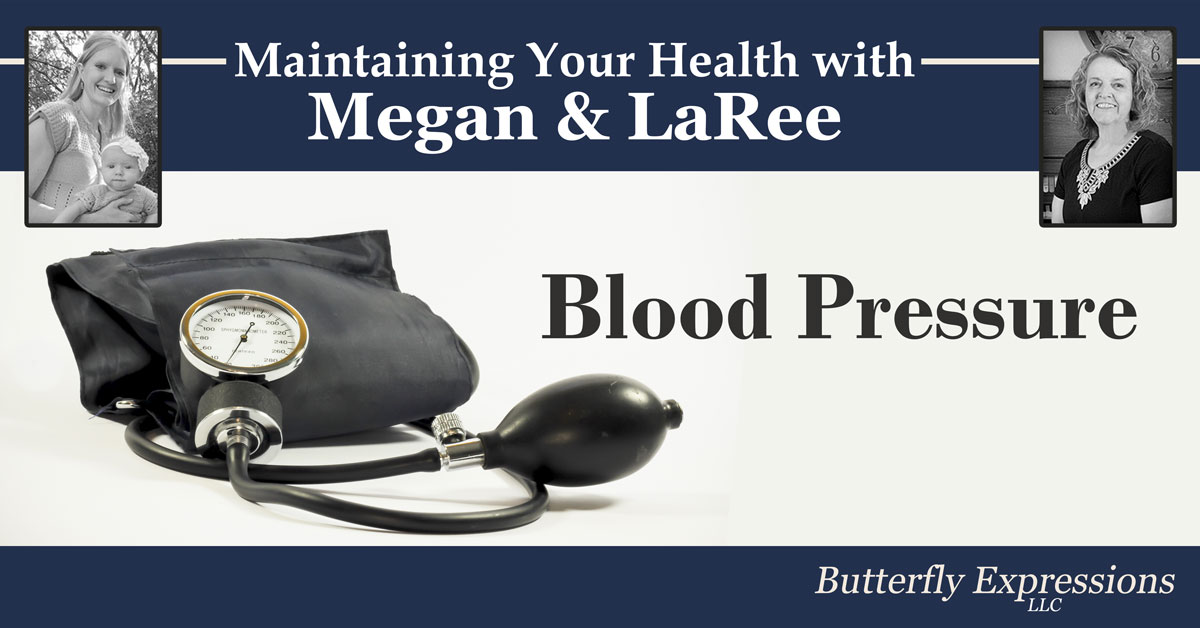
Blood Pressure There are two numbers that measure blood pressure. The systolic represents the pressure against your arteries when your heart is pumping. The diastolic represents the brief resting period between pumps, as the heart fills back up with blood. The average range is when the systolic pressure is between…